Porous brick
While travelling around the world one can see interesting construction materials in countries with hot climate. Nature provided the mankind with heat insulation materials for many centuries. Porous volcanic lava and tuff served people protecting homes from the heat in summer and cold in winter.
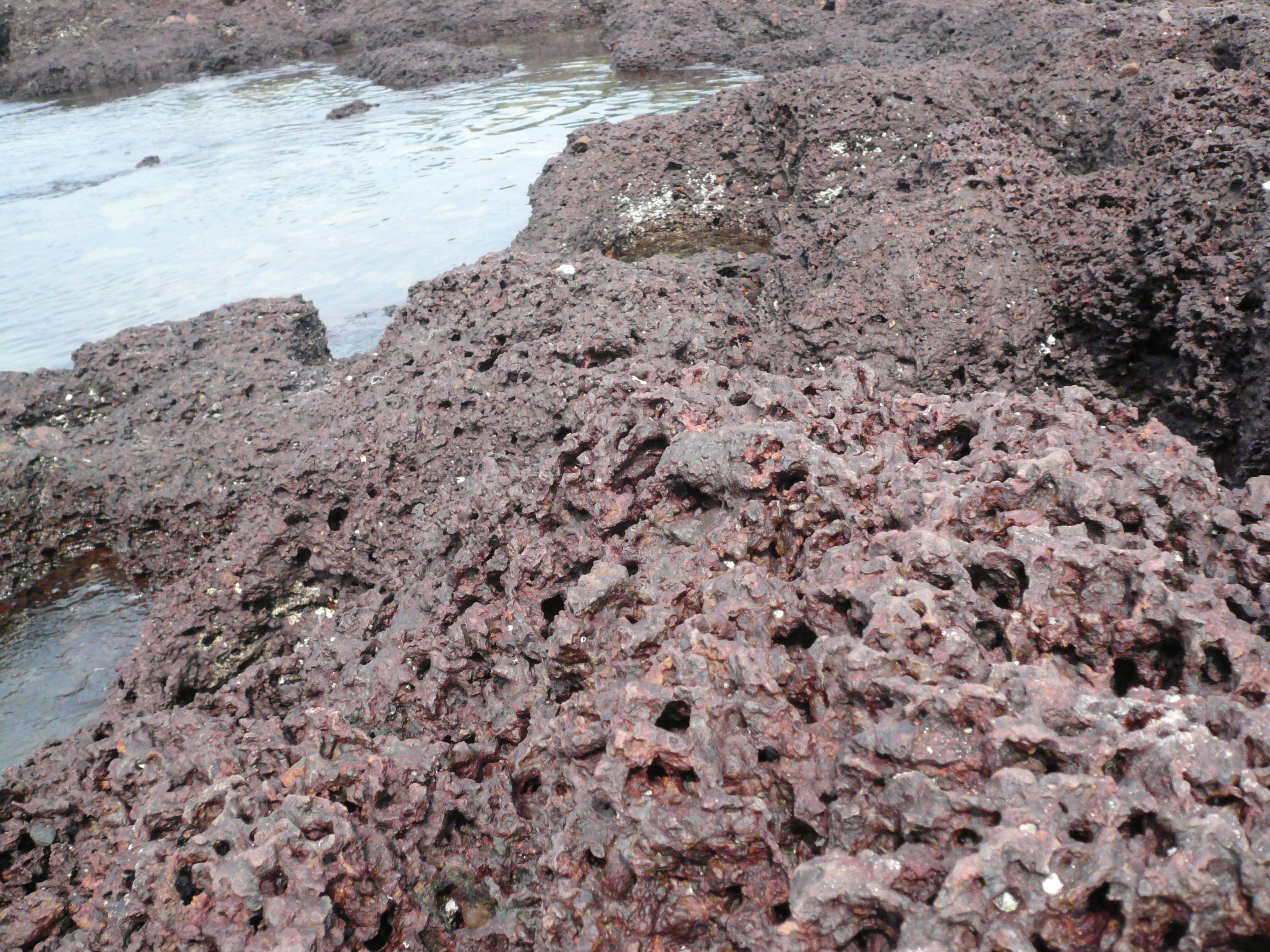
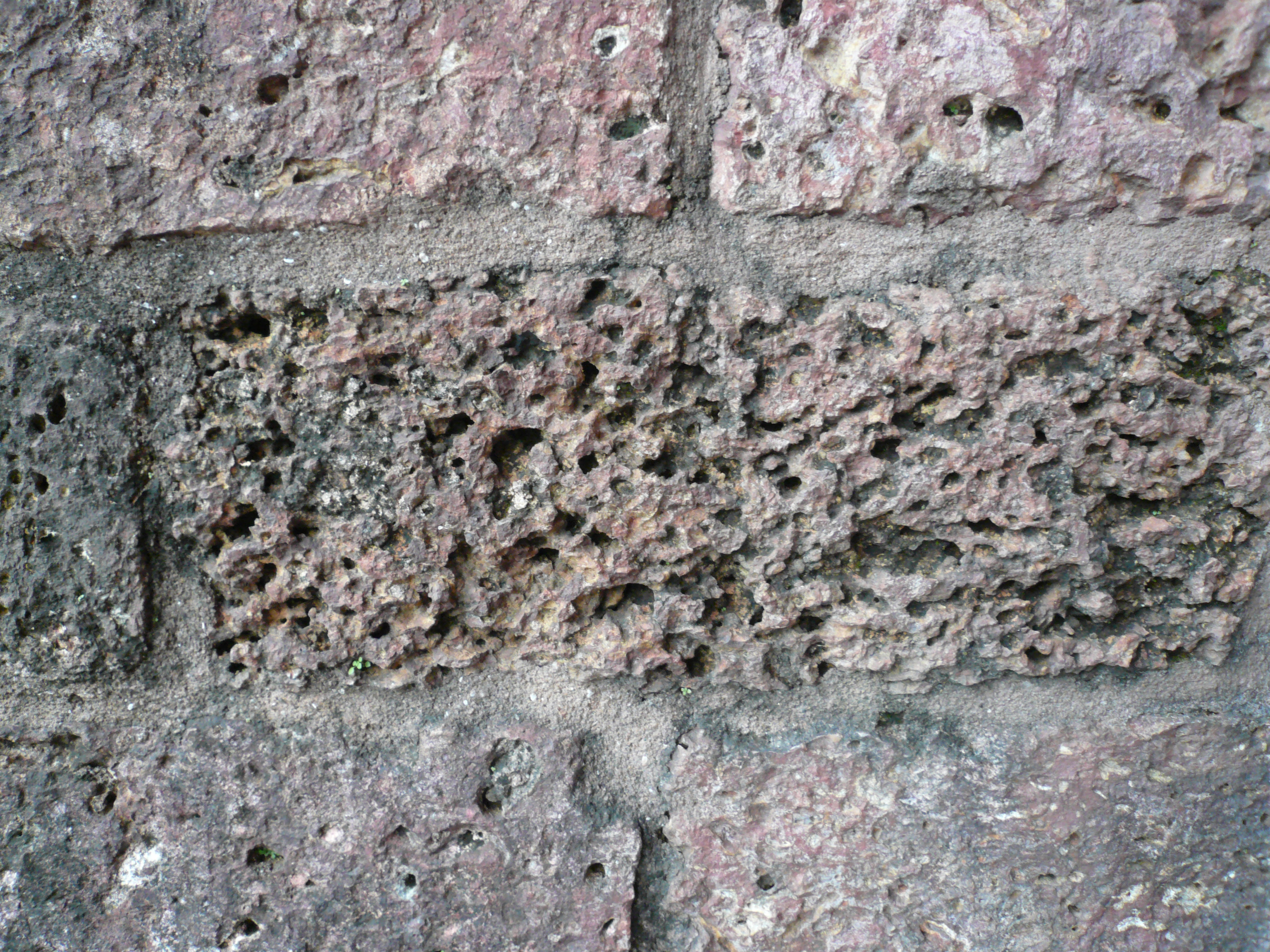
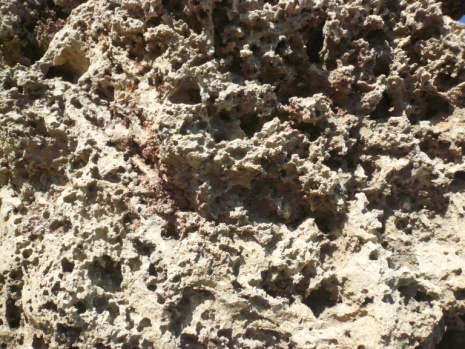
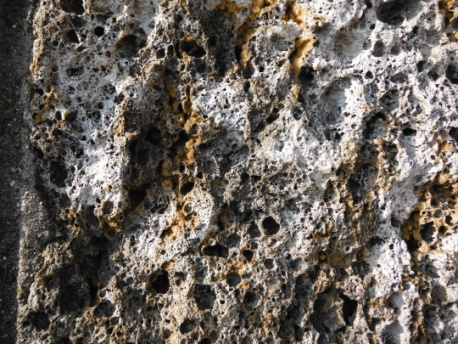
Since that times the volume of construction has increased greatly, the deposits of natural porous stones were depleted and the mankind realized the limitedness of natural resources. As replacement of natural porous stones the hollow brick is used. Its difference from the natural porous brick is obvious. Hollows are opened and it is leads to filling of the material with the mortar during the building operations. Besides the bricks are anisotropic in different directions, it is difficult to cut the part of the brick. The walls of the hollows are narrow and sometimes these walls are dropped and opened the hollows.
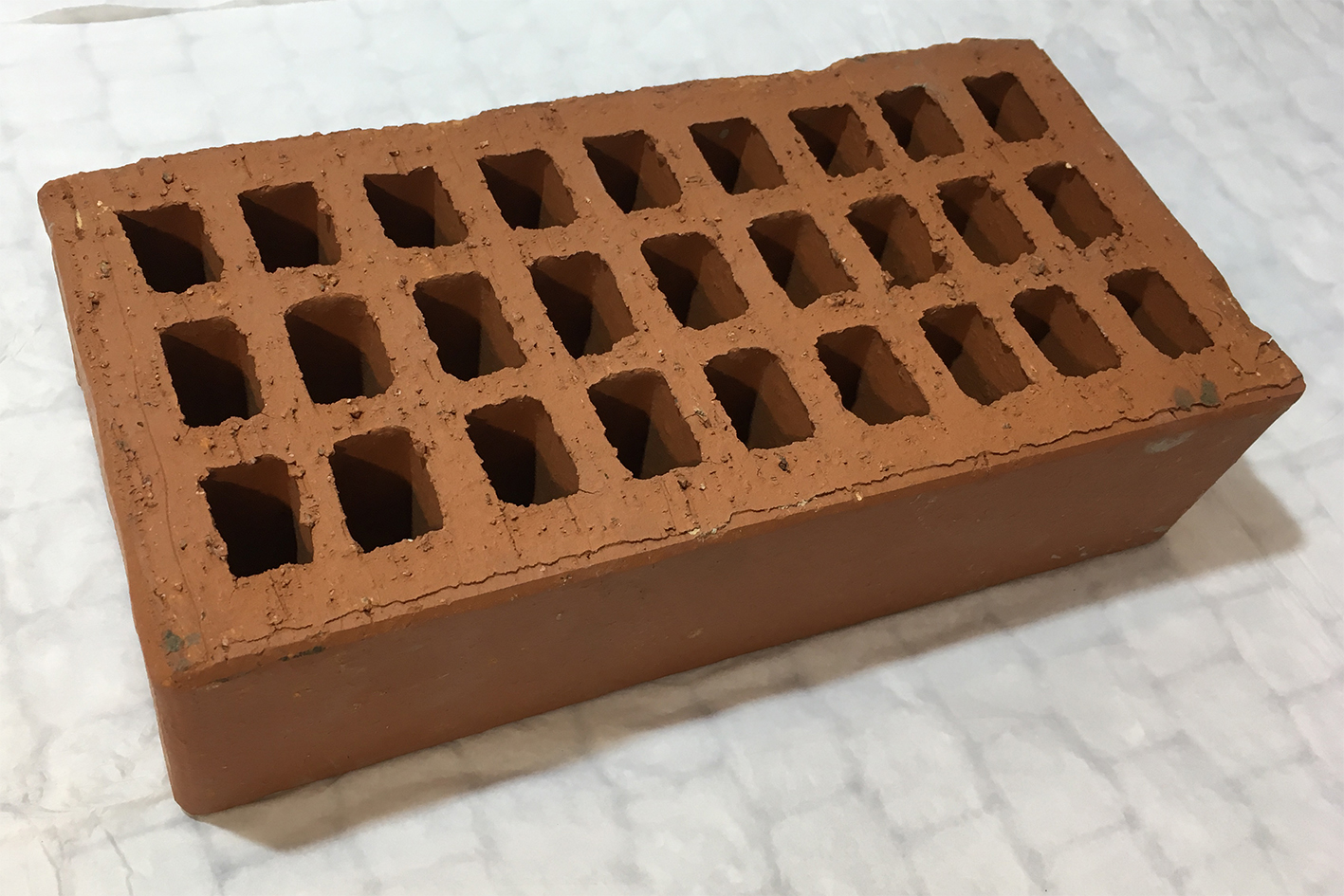
But except the exploitation problems of hollow bricks there are the manufacture problems such as necessity of high quality raw for extrusion, difficulties with crack at drying and calcinations. It leads to high operational self cost of the hollow bricks and to the problems during the construction process and the exploitation.
But all these problems can be solved if we follow the nature solution and make the isotropic brick with closed pores.
This brick is no different externally from the usual full-bodied brick. But the structure of the porous brick is similar to the proposed by the nature because it contains a lot of spherical pores covered inside with a thin layer of melted glass.
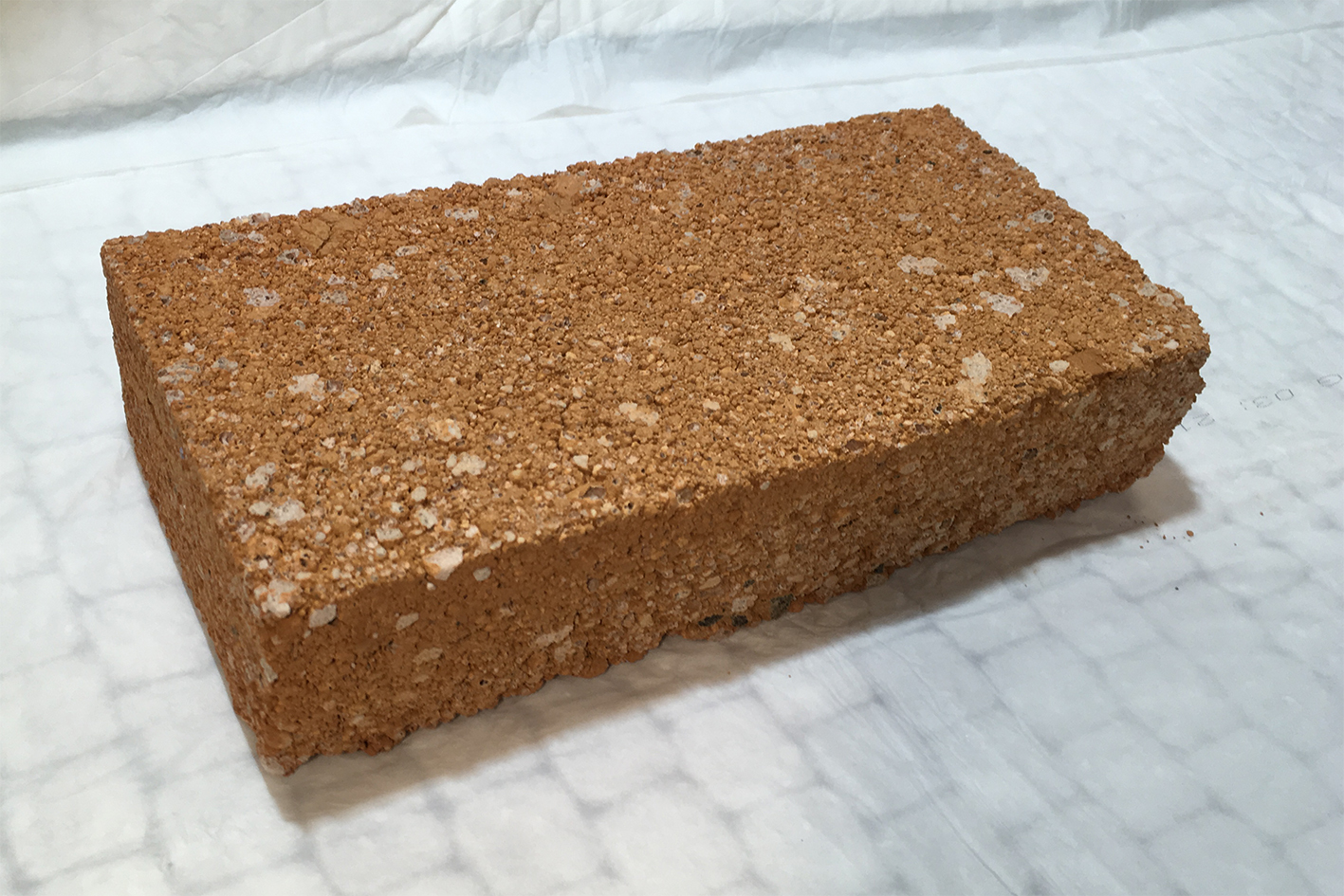
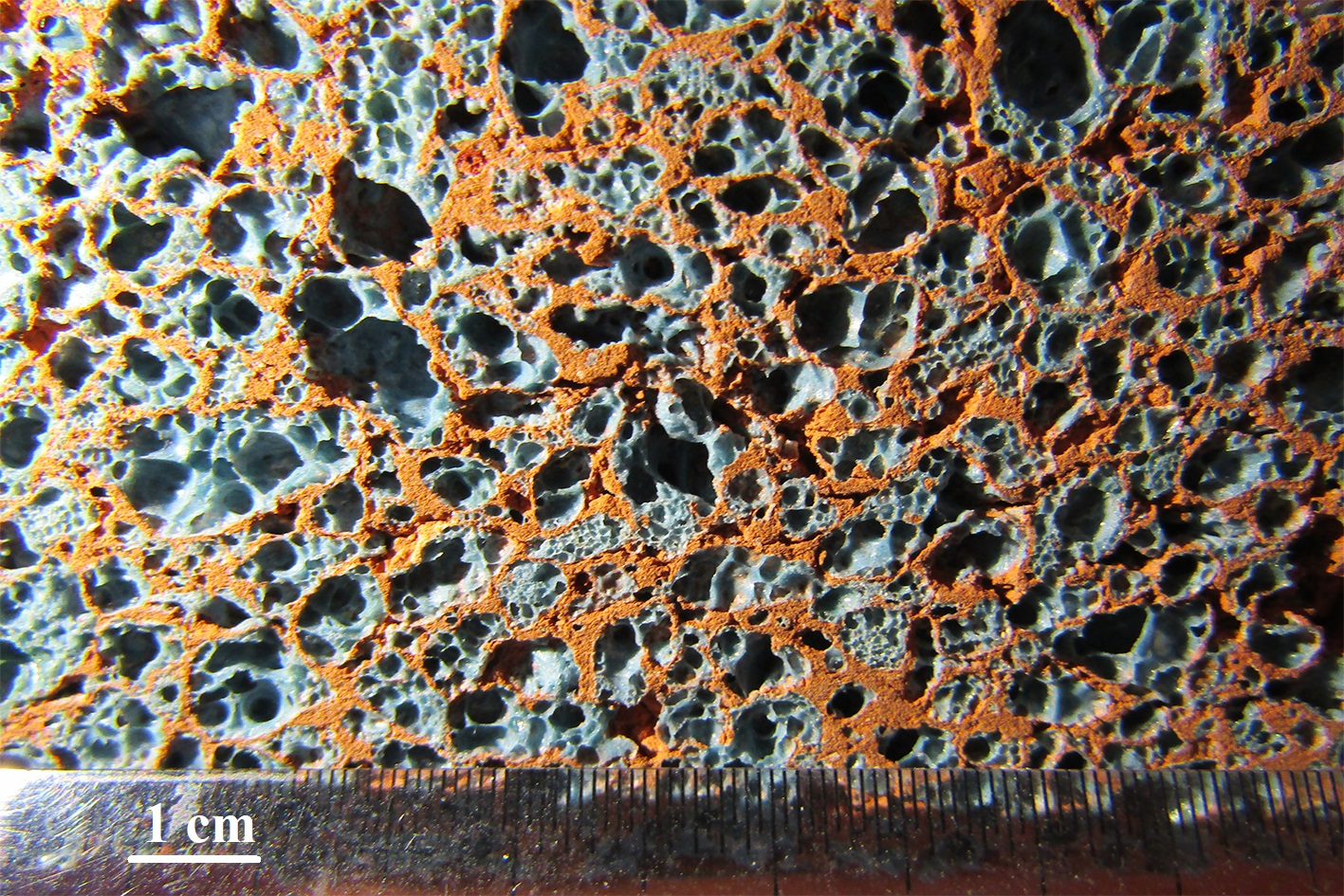
On a cut of the porous brick one can see that the main volume of a brick is occupied by the empty inside glass spheres with sizes from one millimeter up to centimeter. These spheres so densely adjoin to each other that create a strong framework of a material, and clay only is in intervals between spheres. As a result, the material becomes not only extremely light, but also unsinkable (water cannot penetrate into closed spheres), but also has a high strength comparable to a full-bodied brick. As a result the porous brick outclasses the hollow brick in many characteristics.
| Property | Hollow brick | Porous brick |
| Apparent density, kg/m3 | 750÷850 | 450÷650 |
| Thermal conductivity, (W/m·K) | 0.14÷0.16 | 0.075÷0.11 |
| Сompressive strength, MPa | 7.5÷12.5 | 10.0÷15.0 |
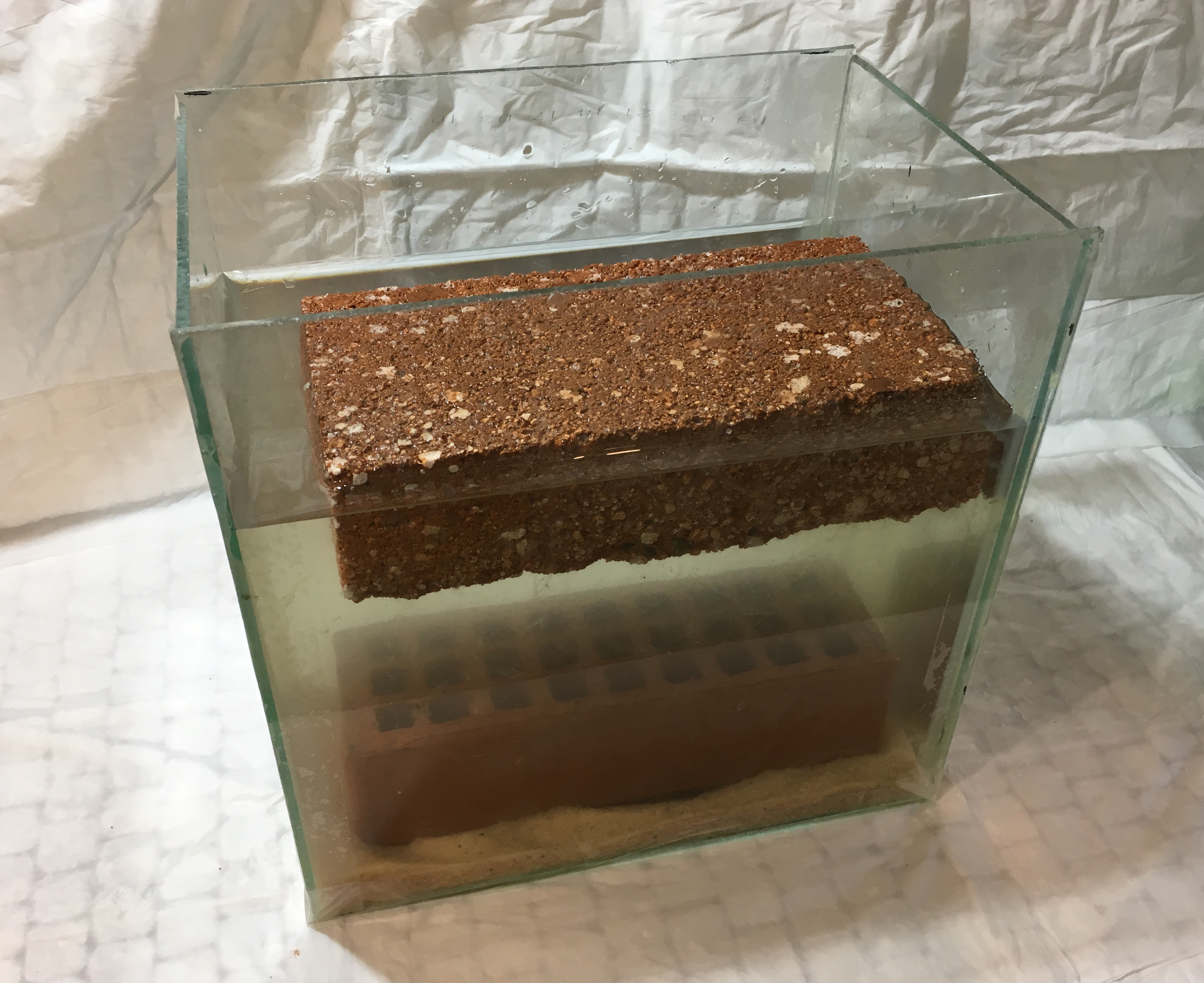
But the properties of porous brick seem especially fantastic when placing it in water. The porous brick floats on a surface of the water, as a tree, disproving century representations about using of bricks as improvised means for replacement of anchors. One can see the hollow brick at the bottom at the same aquarium.
The manufacture of porous bricks can be installed on the raw base of low quality clay and waste glass (or liquid glass or low-cost glass made from diatomite and caustic).